Background
Grounded in empirical evidence from Latin dance studios in Chicago, Illinois, though
the findings apply to any studio with a similar business model and policies.
Catering lessons to a student's skill level is critical to a class being effective and
worth paying for, so classes are offered by level. Each studio defines its own set of
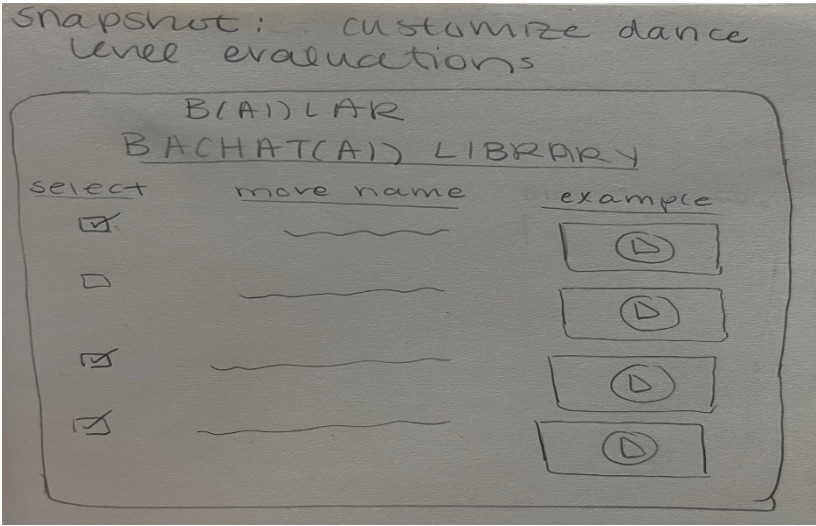
techniques required at each level, and instructors assess new or advancing students
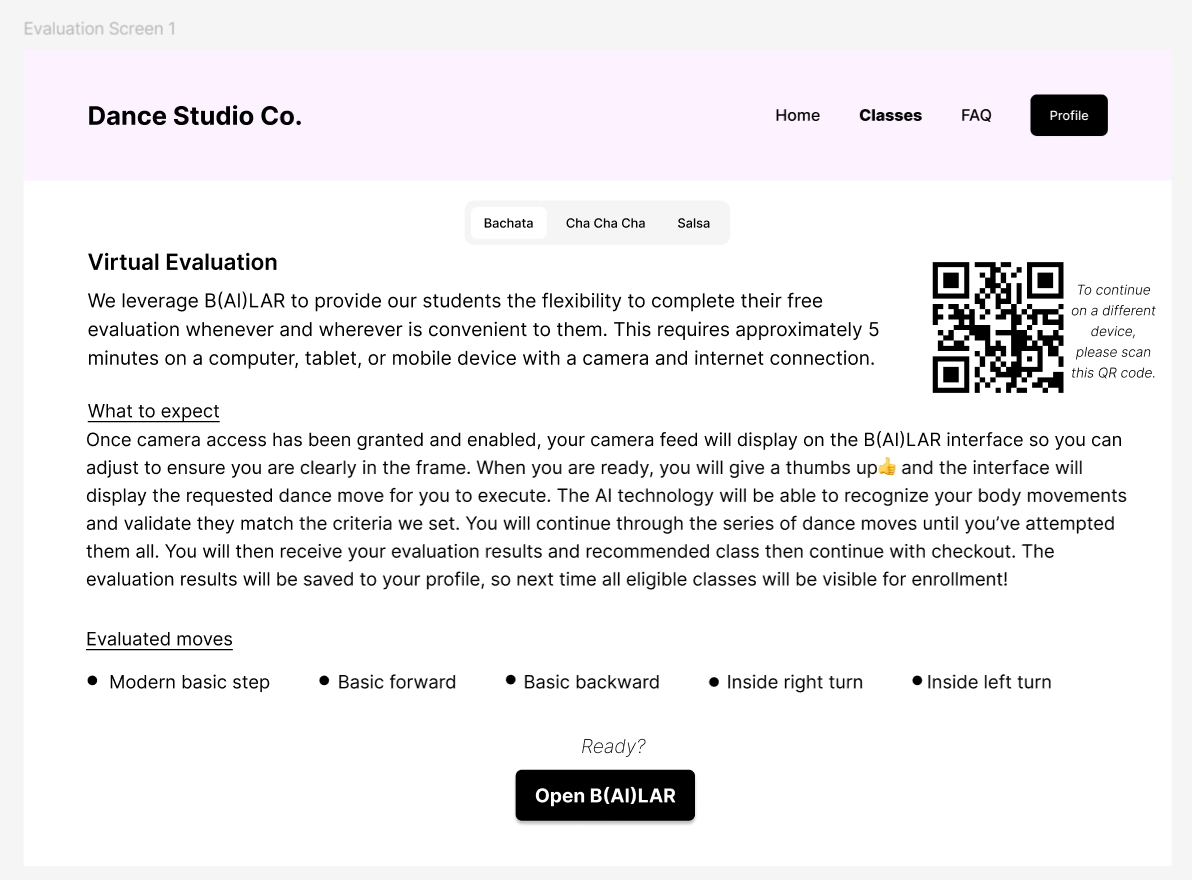
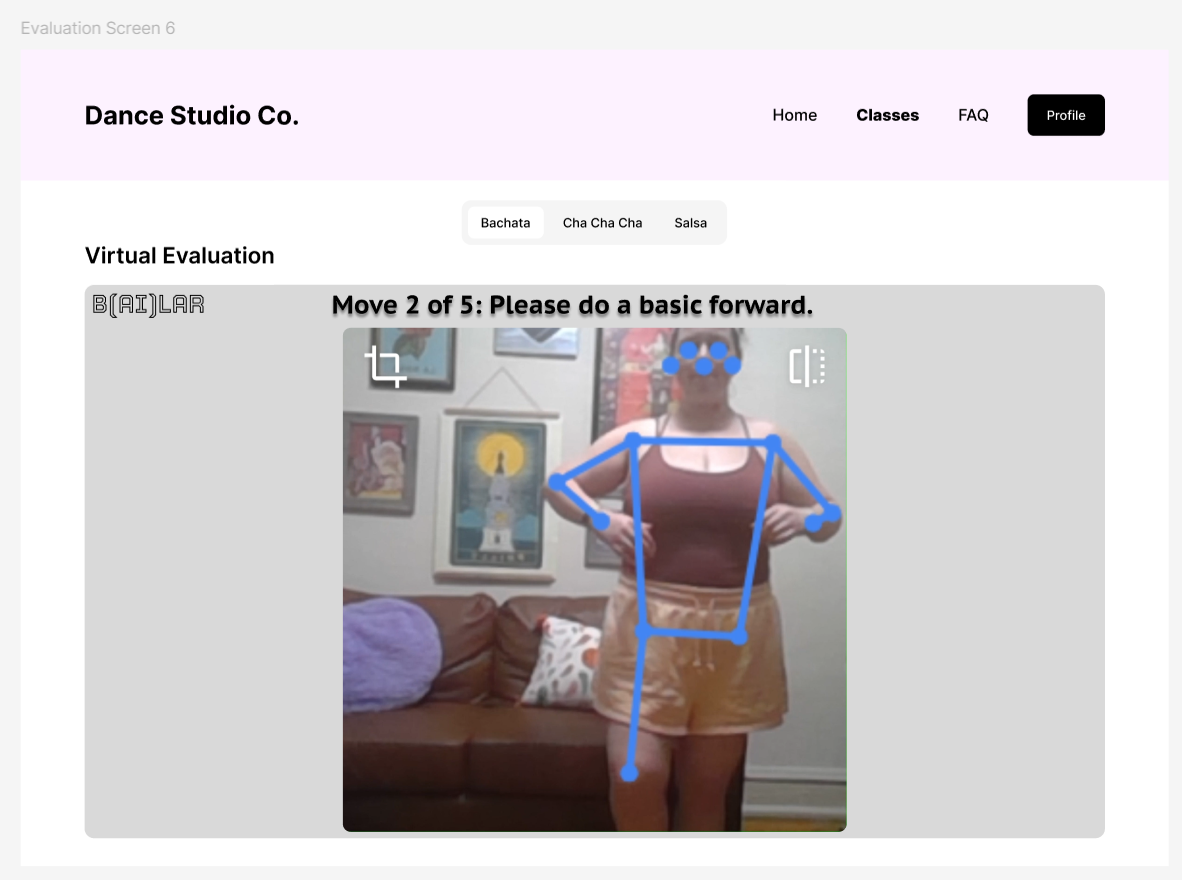
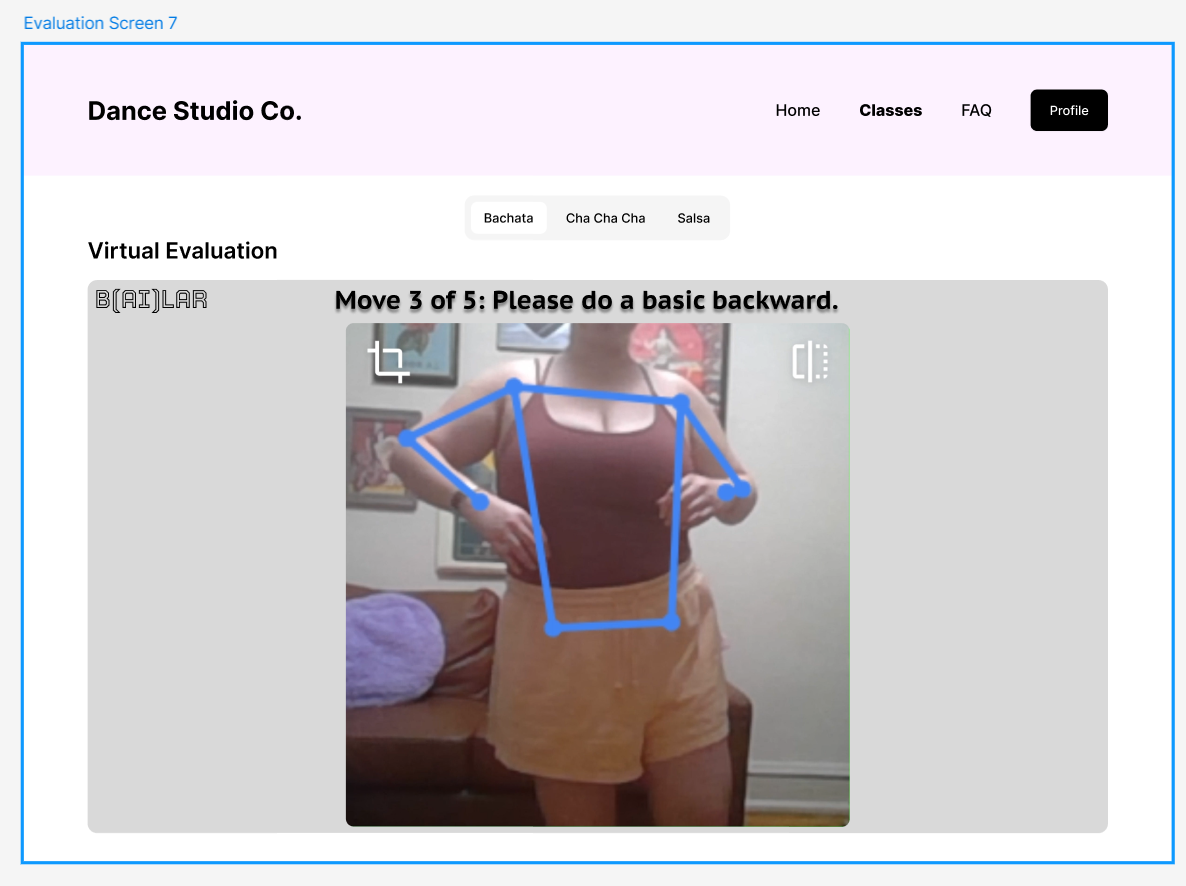
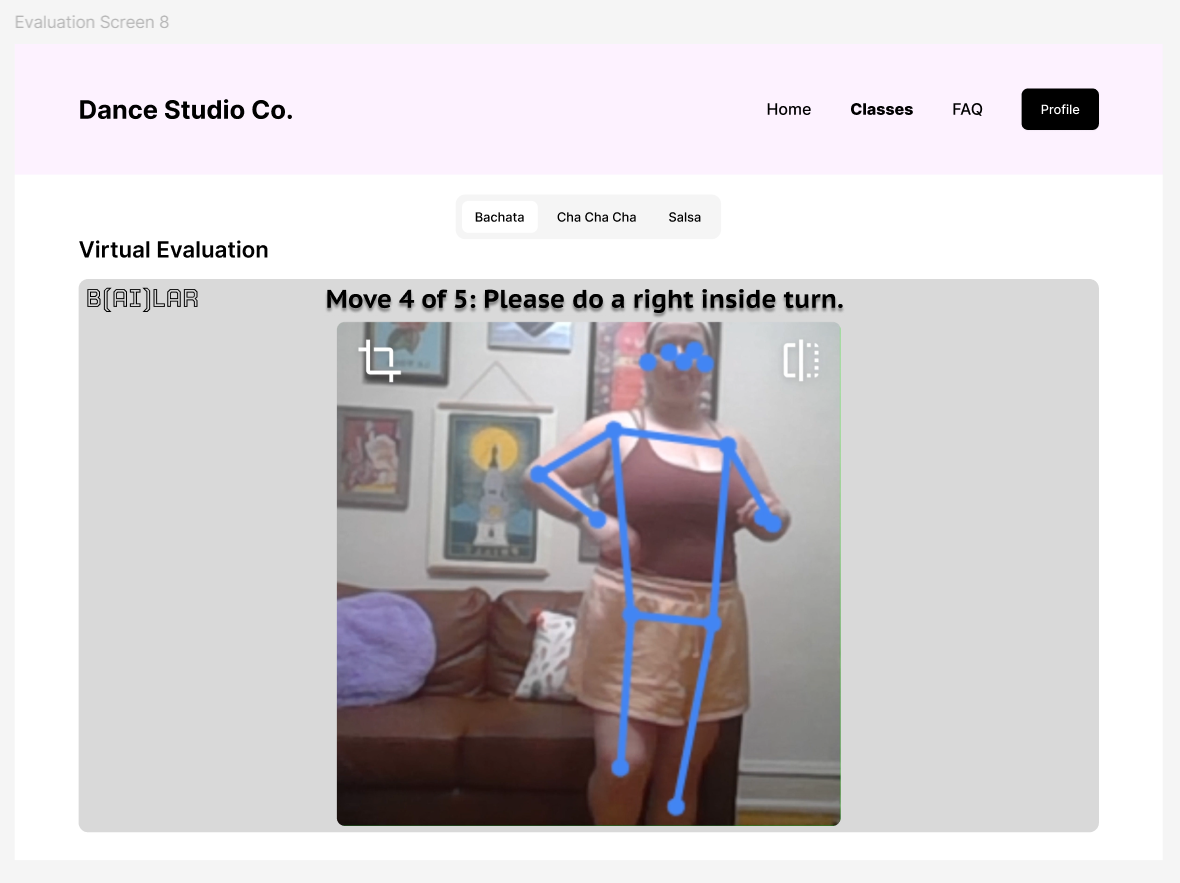
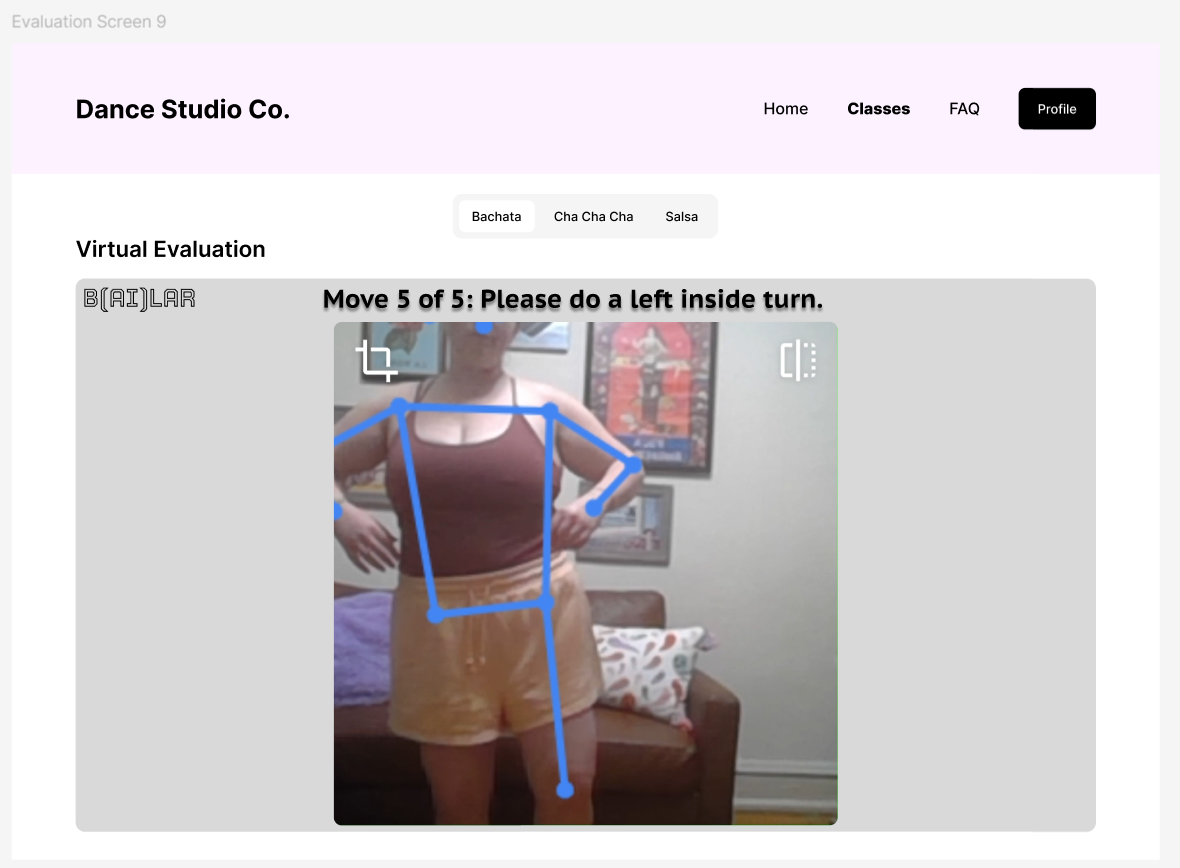
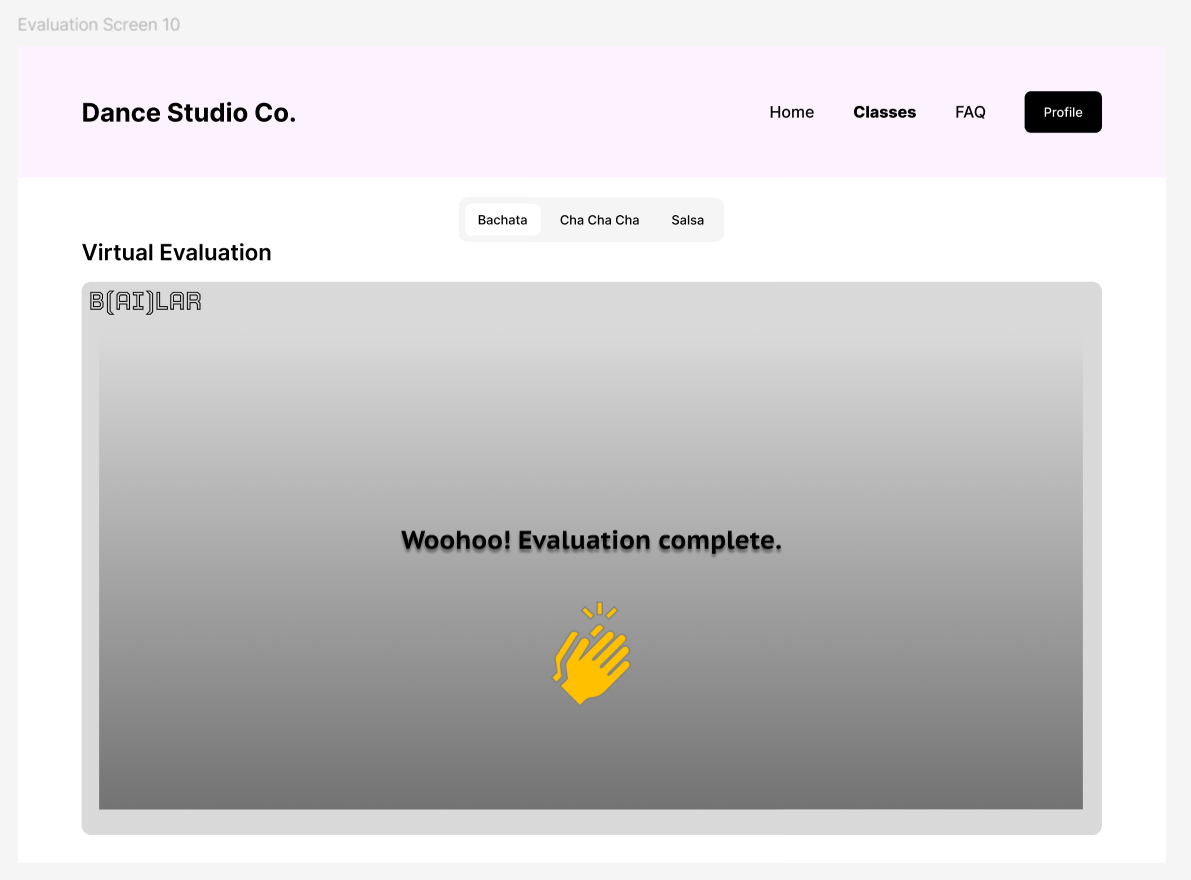
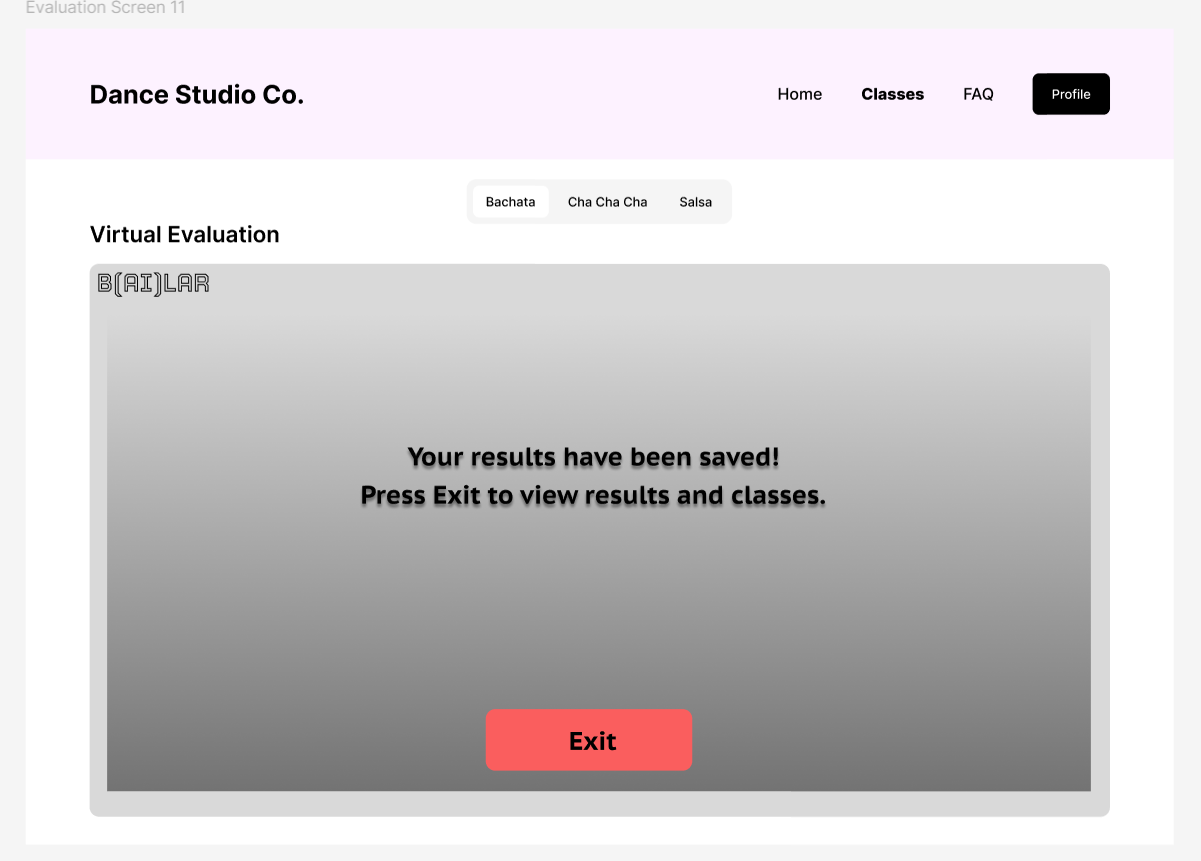
against that checklist. Evaluations usually run twenty minutes or less and ask the
student to demonstrate specific skills on demand.
Three business models
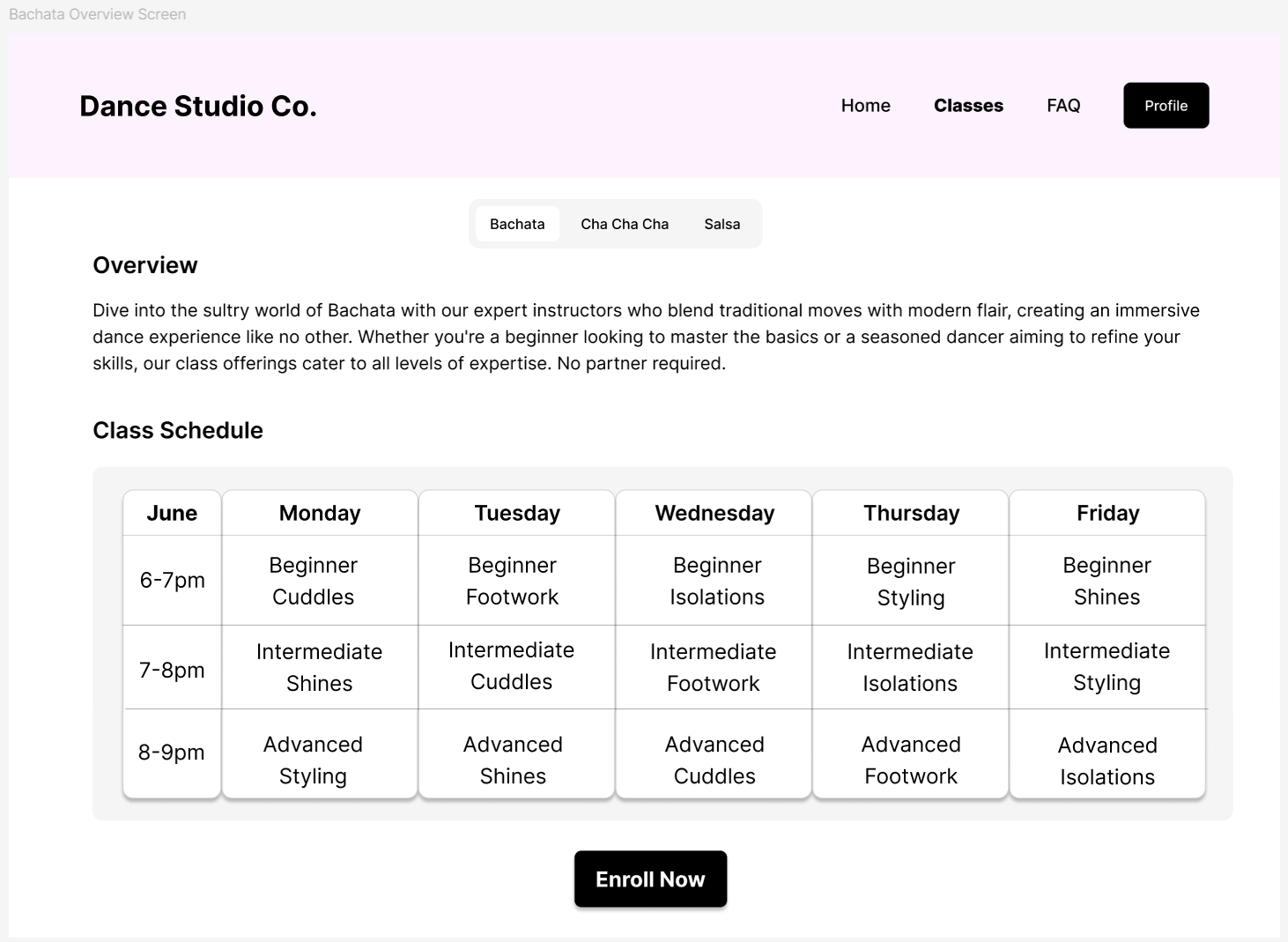
All three build schedules in four-week blocks called sessions, with classes once a
week.
Drop-in
- Each class focuses on a skillset to practice, and students can take several per session within their level
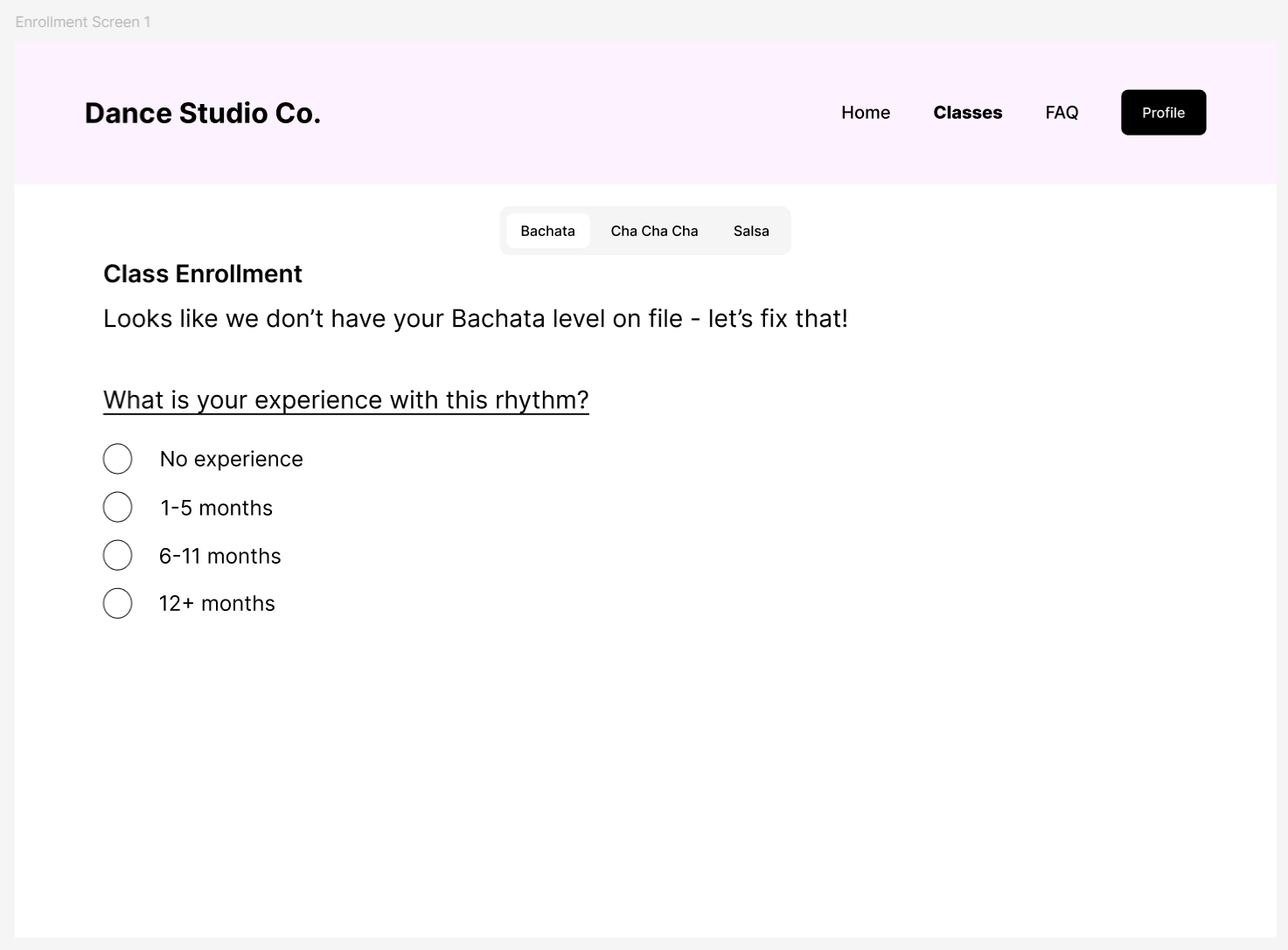
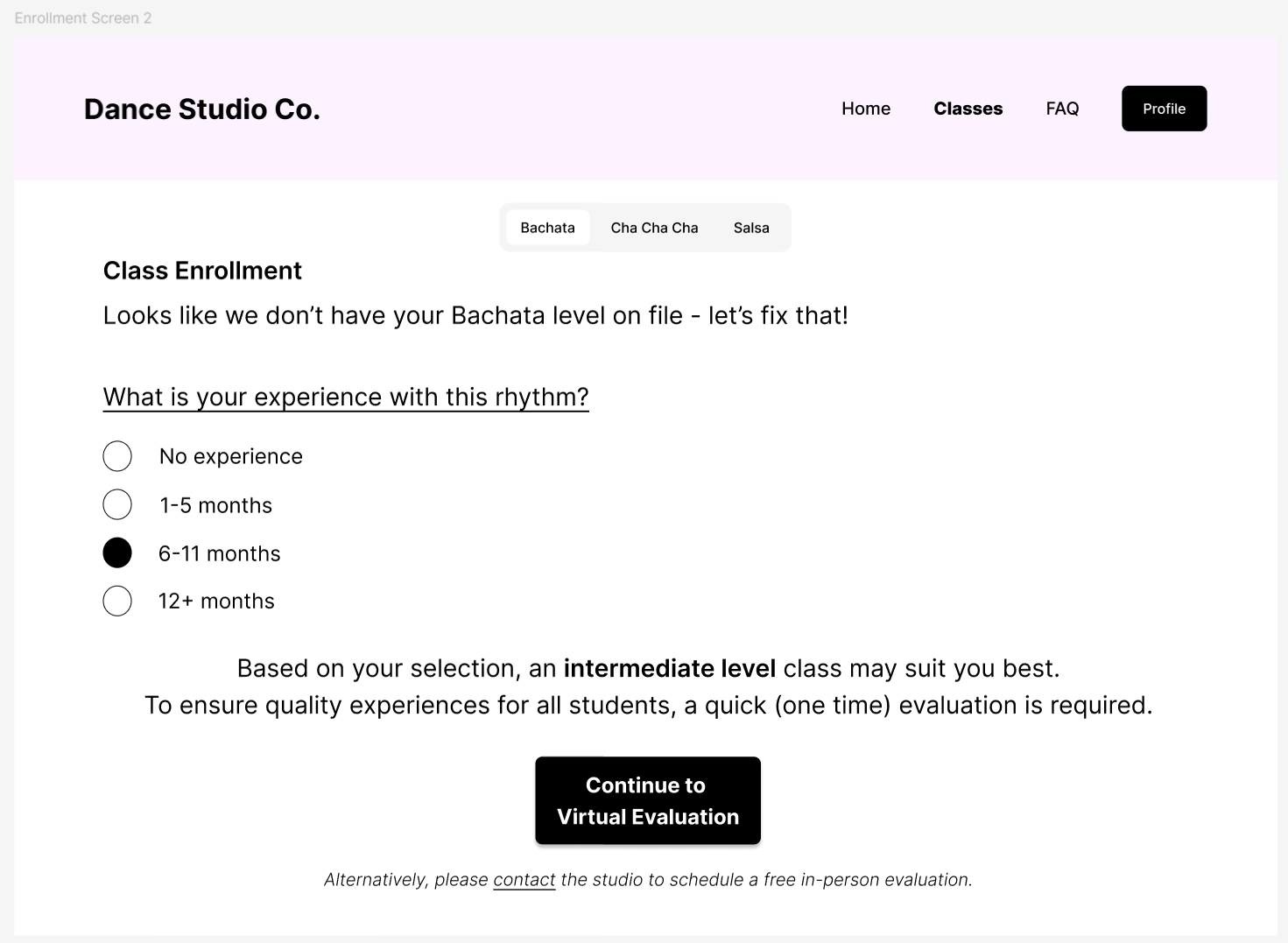
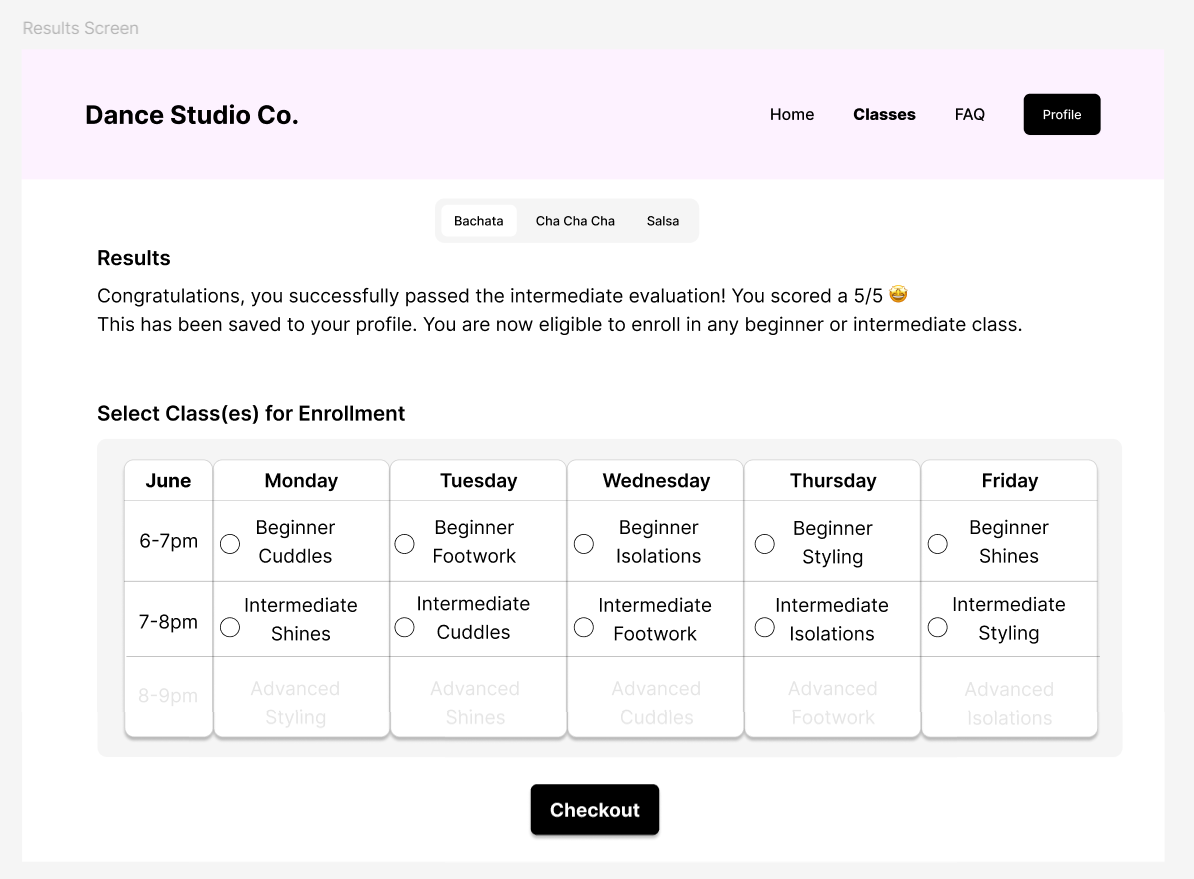
- Students sign up for an evaluation once they have the minimum skills to advance
- Passing unlocks the next level; failing means continuing to choose from classes at the current one
- Only two evaluations exist per rhythm, so a student is only ever evaluated twice
- More agency over what to pay to learn, but students must choose intentionally if they want to advance
Curriculum-based
- Each class is a skill level with a specific skill to master, taken sequentially
- Advanced classes refer back to previously learned patterns, so everyone in a class shares the same foundation
- Students can only take classes at or below their level, capping how much is new each session
- Evaluations happen after each session; failing means repeating a class
Rotating
- Each class is a skill level, but the skill focus rotates session to session
- The studio may suggest how long to stay at a level, but no evaluation is required to enroll
- Students enroll on self-confidence, experience and desire
- More agency across levels, but the skill focus is unknown until enrollment opens
Why skill level does not transfer
Because each studio defines levels differently, a student cannot assume their level
moves with them. A student at a drop-in studio might pass the intermediate evaluation
without ever taking beginner Dominican-style bachata footwork, because it was not
required. If a curriculum studio counts that same footwork as a beginner skill, that
student fails its evaluation and starts over at beginner, working back up.
Skill level is therefore subjective to the studio's definitions, which is precisely
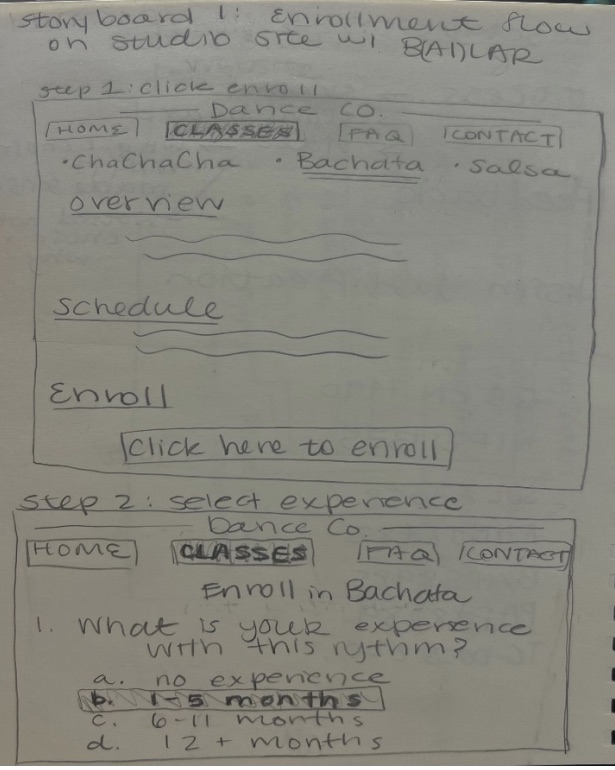
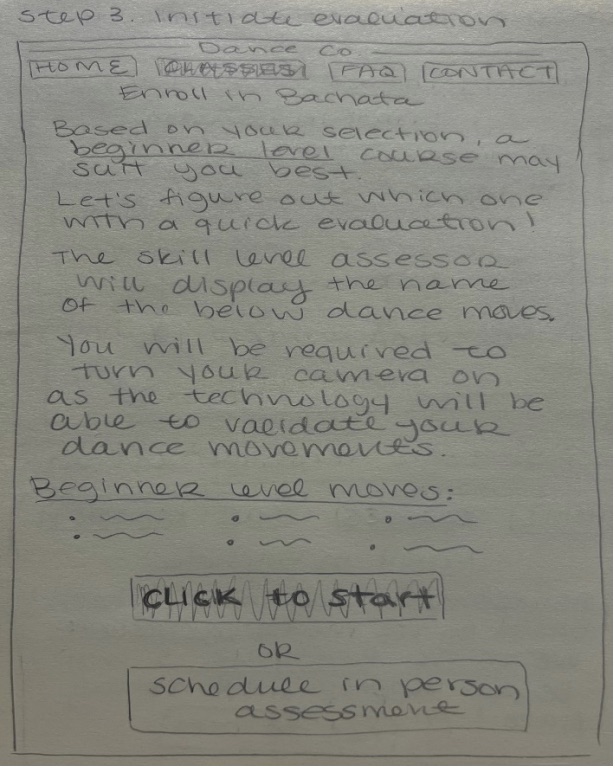
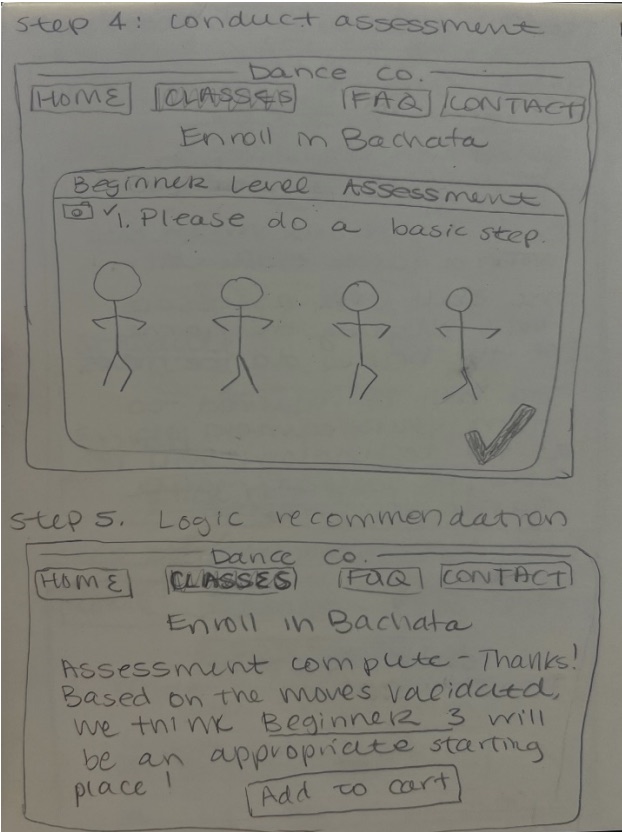
why evaluations exist. The design does not try to remove the evaluation. It asks how
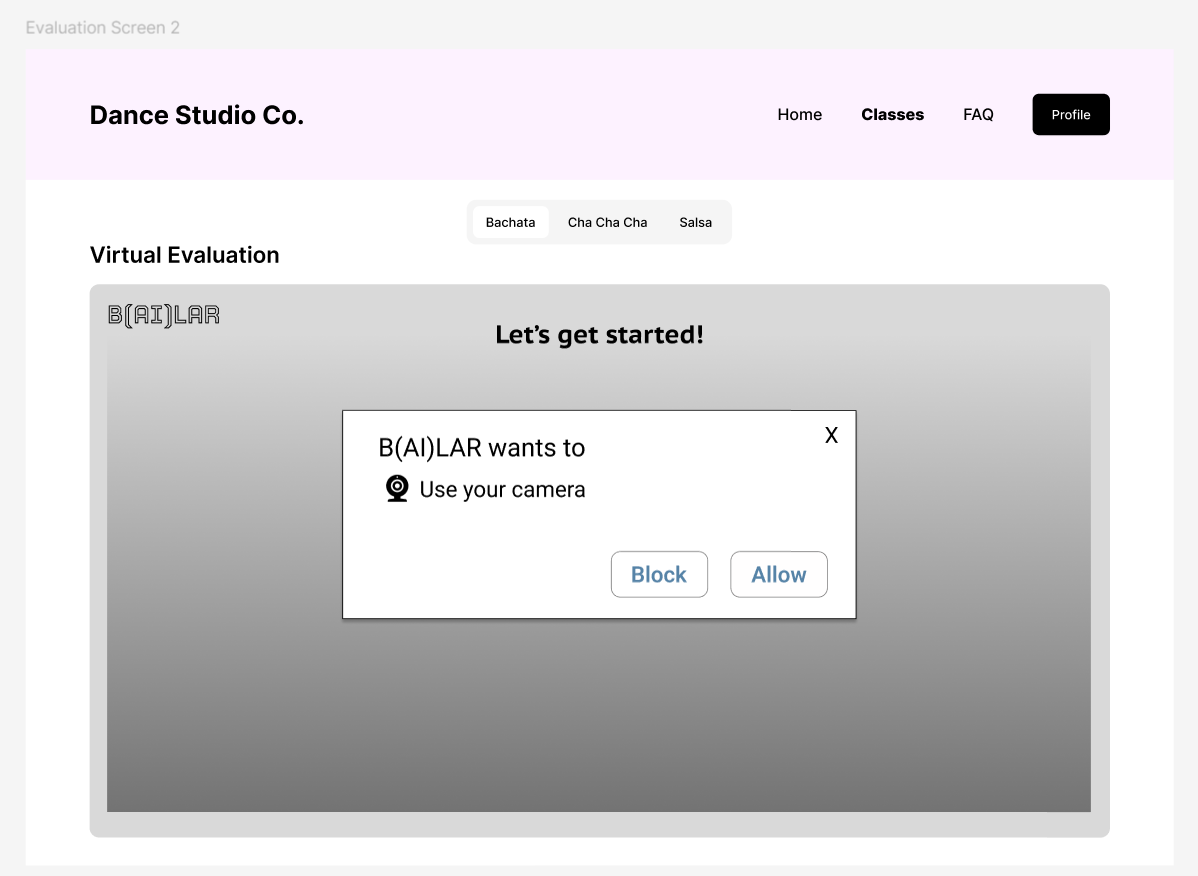
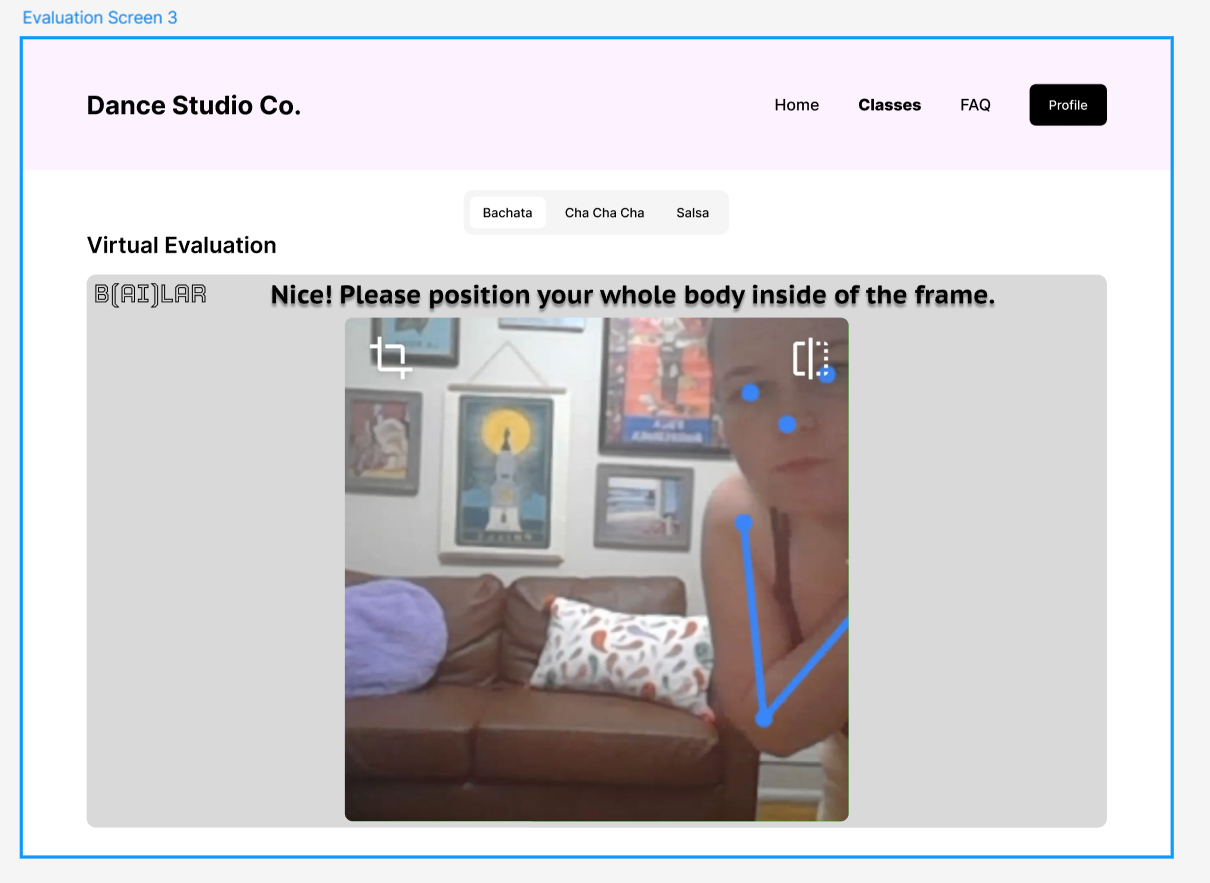
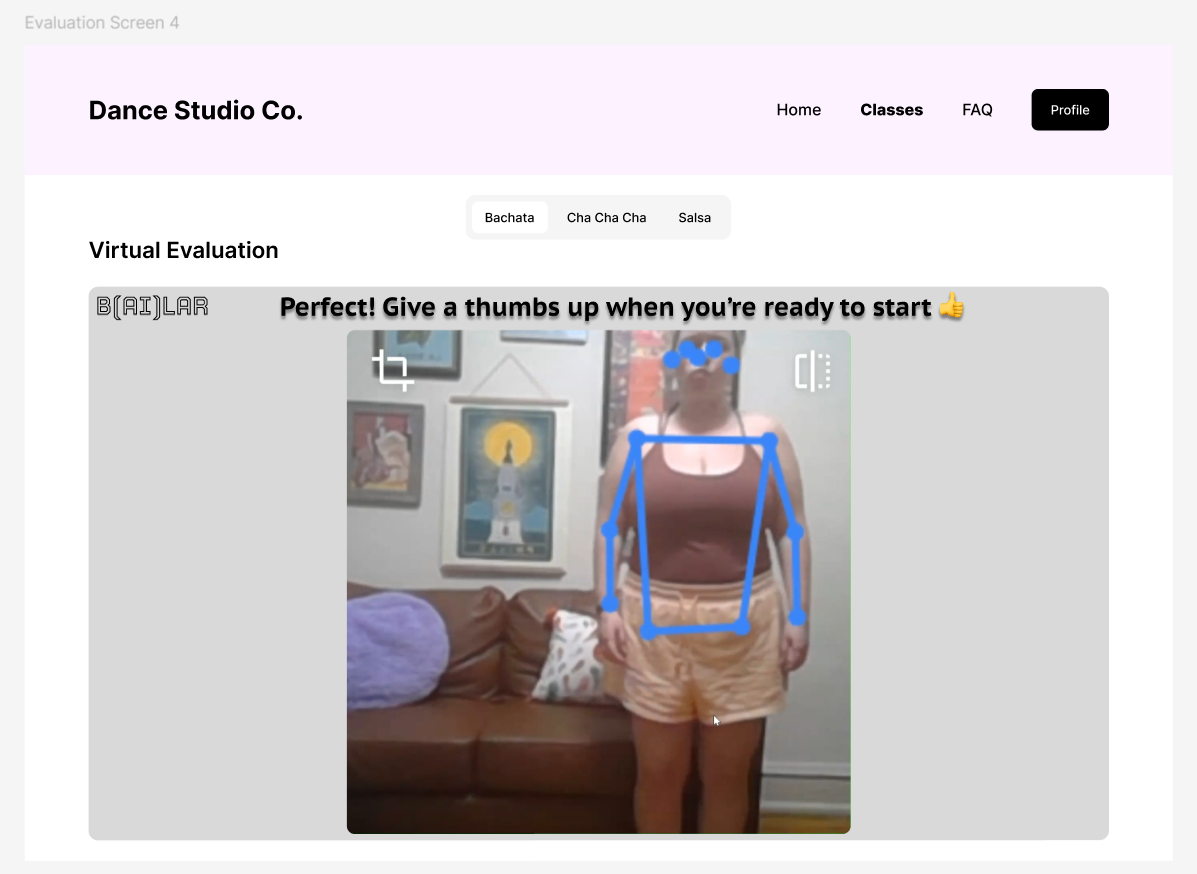
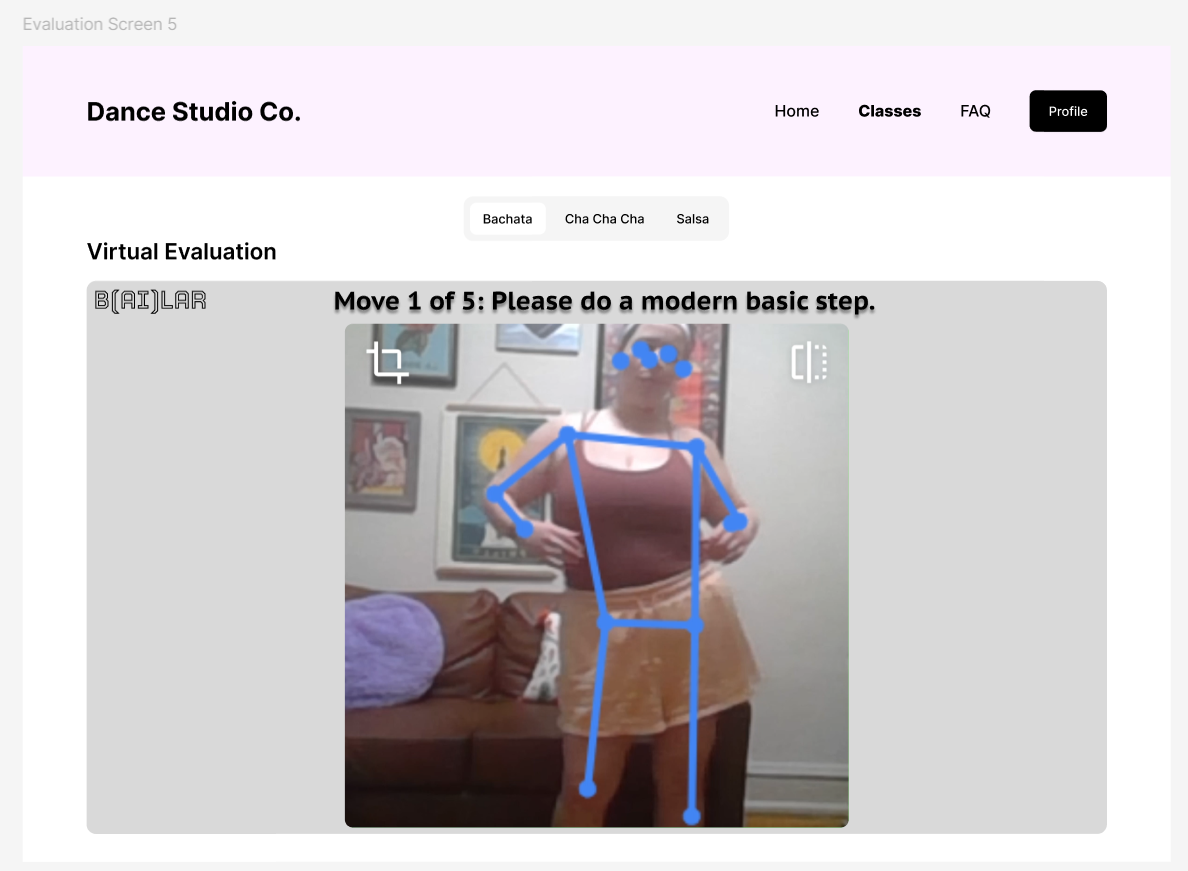
AI might enhance it: studios free up instructor time, and students gain scheduling
flexibility, save the commute, and get a more streamlined enrollment.